Premium swimming pools, expert advice & UK-wide delivery.
Need Help? Contact Us. High-value pool projects & full aftercare support.
Electric heaters, inverter heat pumps and solar heating to extend your swimming season from spring through autumn.
Browse our full range of swimming pool heating systems for domestic pools all competitively priced.
Showing 1–24 of 454 resultsSorted by price: low to high


Extending the UK swimming season from a few weeks to a full six months is almost always down to one purchase: a properly sized heat pump. We supply Elecro electric heaters, inverter heat pumps from leading brands, and solar heating kits for off-grid setups.
An inverter heat pump uses roughly 1 kW of electricity to deliver 5 kW of heat, the most efficient way to warm a UK swimming pool. Pair with a solar cover and you’ll cut running costs by another 50-70%.

Heat pumps are 4-5× more efficient and far cheaper to run, but cost more upfront and need air temperature above ~7°C to work. Electric heaters are cheaper to buy and work in any weather, but running costs are high. For most UK gardens, a heat pump pays back inside two seasons.
As a rough guide: up to 20,000 L pool → 7 kW heat pump; 20,000-35,000 L → 9-11 kW; 35,000-60,000 L → 13-17 kW. Add 30% capacity if you don’t use a solar cover. Get in touch with your pool dimensions for an exact recommendation.
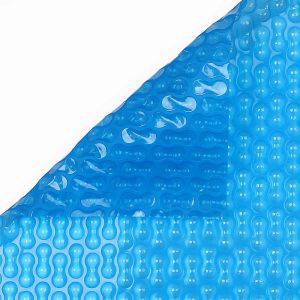
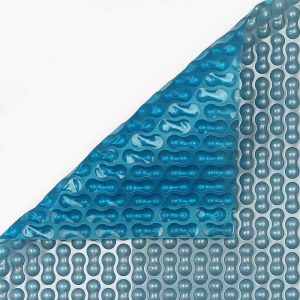
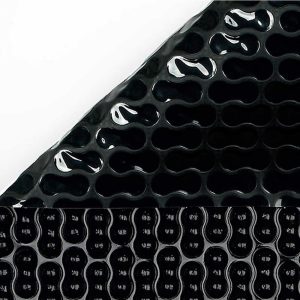
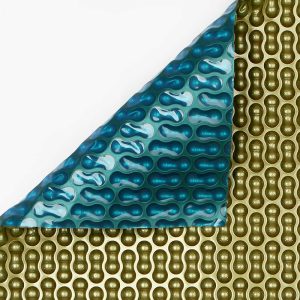
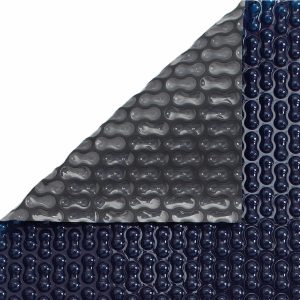
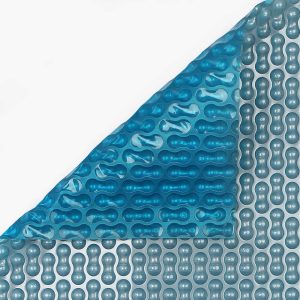
Yes a 500-micron solar cover can raise pool temperature by 4-8°C and cuts evaporation (your biggest heat loss) by up to 95%. Combined with a heat pump it dramatically reduces running costs.
Running costs depend on pool size, insulation and how long you swim for, but as a rough guide: a typical UK garden pool heated with an inverter heat pump over a full May–September season costs around £300-£600 in electricity. The same pool heated with a standard electric immersion heater can cost £1,500-£2,000 or more over the same period, several times as much for the same result. Pairing your heat pump with a solar cover cuts running costs further still, since covering the pool overnight and when it’s not in use tackles evaporation, the single biggest source of heat loss.